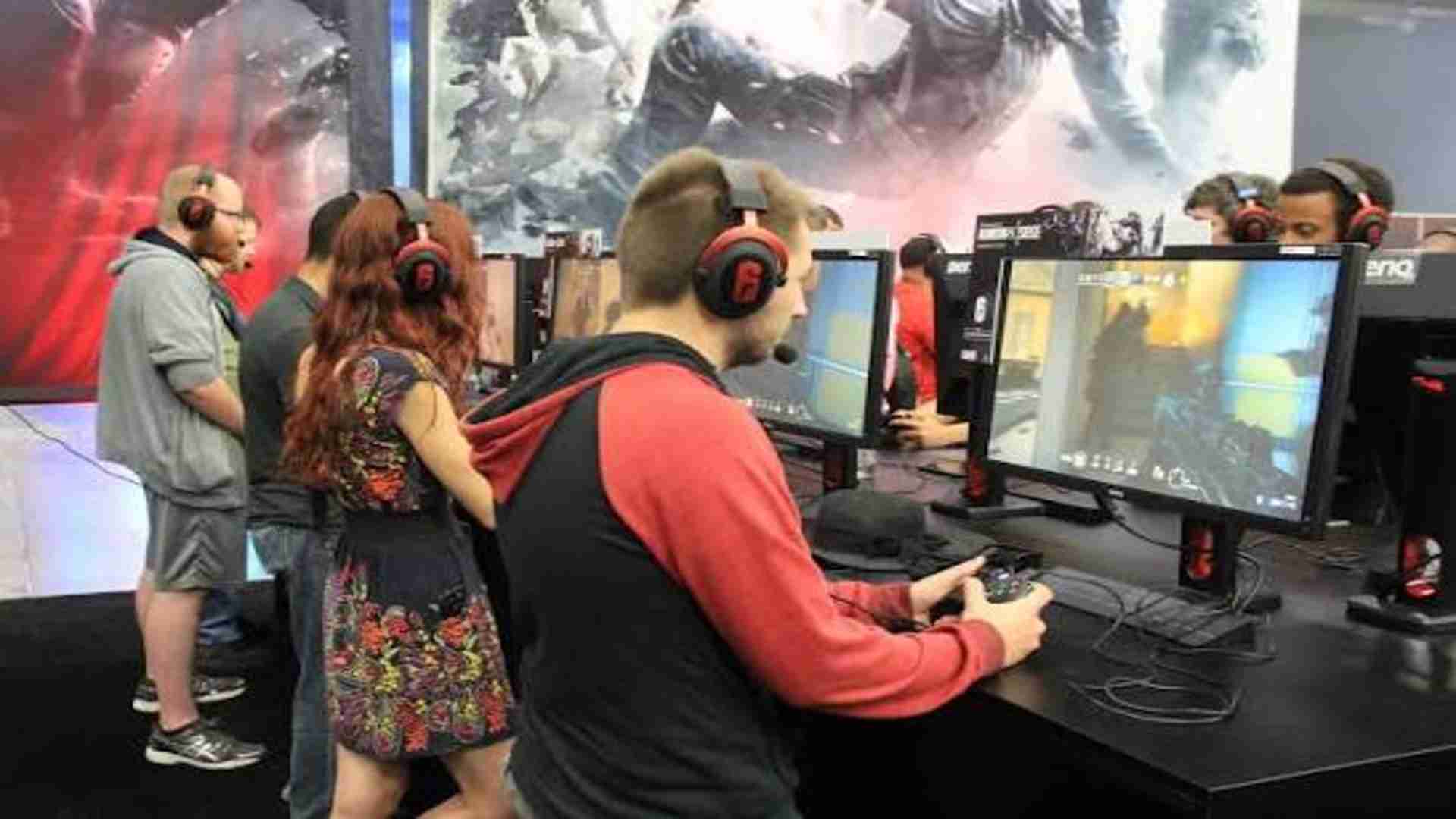
When competitive matches push past regulation time into sudden death, physical execution alone no longer guarantees victory. The sudden shift in stakes amplifies stress, forcing players to manage intense physiological and cognitive pressure in real time. Maintaining emotional stability during these high-stakes moments often separates elite competitors from those who crumble under strain.
The Neurobiology of Sudden Death Stress
During sudden death encounters, the human brain perceives immediate risk, triggering a rapid release of adrenaline and cortisol. This heightened physiological state increases heart rate and narrows focus, which can impair spatial awareness if not managed properly. Understanding these automatic bodily responses helps athletes anticipate emotional surges rather than reacting impulsively to them.
Mental fatigue combined with elevated anxiety frequently leads to tunnel vision, where a player overlooks tactical alternatives. Successful competitors train to recognize physical stress cues early, using deep breathing techniques to stabilize their nervous systems. Controlling your heart rate directly improves decision-making speed when every mistake carries total penalty.
Managing Cognitive Load in High-Stakes Moments
Overtime environments demand extreme focus, yet overanalyzing simple actions often degrades smooth execution. When mechanics become overthought, performance stutters, leading to unforced errors during crucial exchanges. Athletes must rely on established muscle memory rather than second-guessing fundamental techniques when under pressure.
Streamlining communication with teammates acts as a critical filter to prevent cognitive overload. Concise callouts ensure that essential information travels quickly without overwhelming active focus. Keeping thoughts grounded in immediate tactical goals prevents panic from creeping into crucial micro-interactions.
Tactical Patience Versus Panic Execution
Panicky reactions during sudden death clashes often manifest as over-aggressive pushes or timid retreats. Opponents frequently exploit desperate movements, turning reckless behavior into easy winning opportunities. Maintaining strategic discipline forces the opposing team into making the first fatal misstep.
Calculated positioning creates natural defense barriers while preserving offensive threats. Remaining patient allows players to control engagement distances and dictate the overall tempo of overtime. Disciplined teams prioritize stability over flashy plays, quietly setting up clean, low-risk elimination opportunities.
Reframing High Pressure to Maintain Focus
Top-tier competitors view overtime scenarios as opportunities to demonstrate mastery rather than situations of terrifying threat. This mental reframing reduces anxiety and encourages proactive tactical choices over defensive hesitation. Viewing stress as helpful arousal sharpens reflexes and enhances processing speed under stress.
Developing pre-performance routines provides a familiar anchor before intense sudden death clashes begin. Resetting focus between rounds restores psychological clarity and clears lingering frustration from prior mistakes. Consistent mental preparation ensures that players remain composed regardless of how chaotic the battle becomes.